-
The OSI Model: A Layer-by-Layer Breakdown
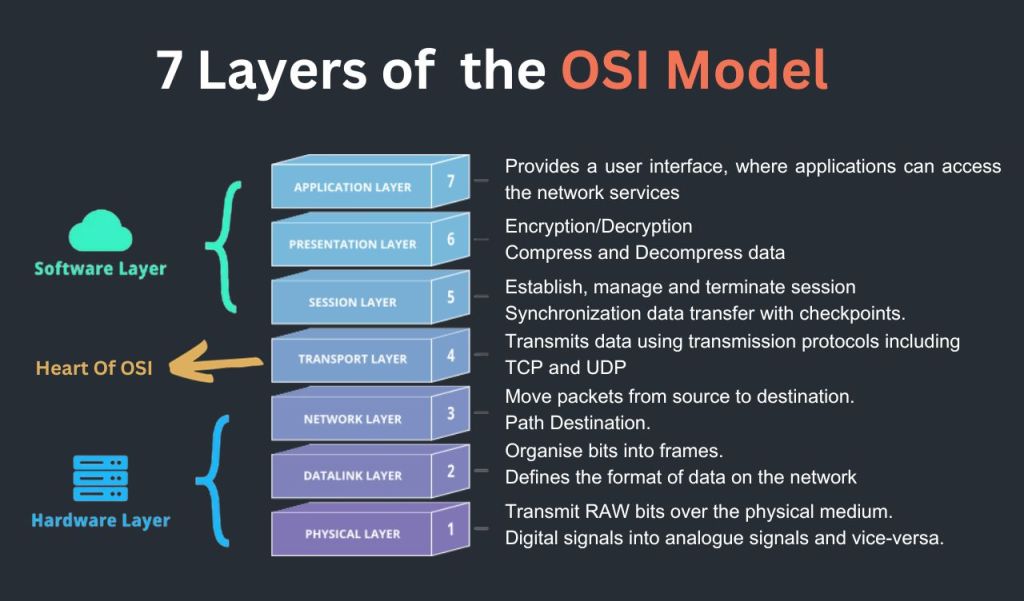
When learning about networking, one of the foundational concepts is the OSI Model. It’s framework that standardizes the functions of network communications into seven distinct layers. Each layer has a specific role in ensuring successful communication between devices across a network. In this article, we’ll walk through each layer, from Layer 7 down to Layer…
-
How to Set Up a Home Media Server on Windows 10 & 11 Using DLNA

Recently I became a new father and being the nerd that I am, I decided that I want to introduce my son to a lot of the shows and movies that I enjoyed as kid, though it might be a bit too earlier for a 1 month old to start getting hyped up on Digimon,…
-
Understanding Common Network Protocols and Their Ports
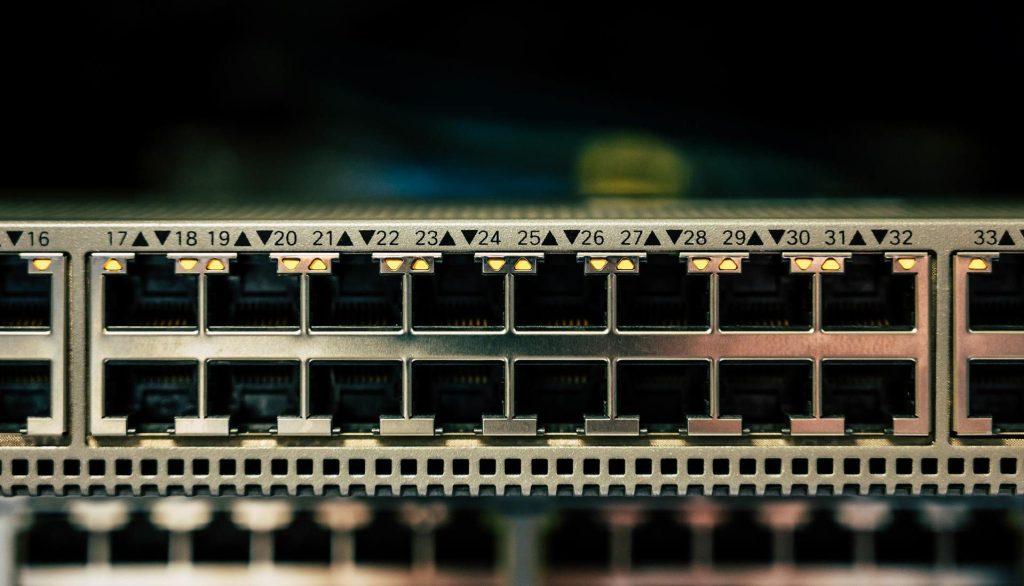
In networking, communication between devices relies on a variety of different protocols, each serving a specific purpose. Understanding these protocols and their associated ports is essential for IT professionals, network administrators, and system administrators. In this article, we’ll break down some of the most commonly used network protocols, their functions, and the ports they use.…
-
Understanding DHCP and the DORA Process
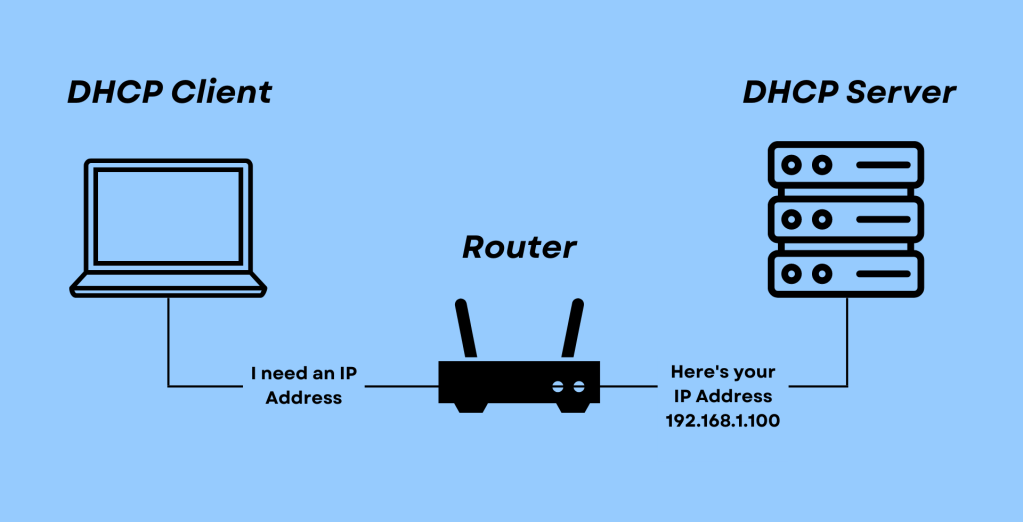
Dynamic Host Configuration Protocol (DHCP) is an networking protocol that simplifies IP address management in IT environments. Whether you’re connecting a laptop, smartphone, or server to a network, DHCP ensures that devices receive the necessary IP configurations automatically. BOOTP vs. DHCP Before DHCP, networks relied on the Bootstrap Protocol (BOOTP) for IP address assignment. However,…
-
What is a Load Balancer and Why Does It Matter?

Sometimes networks and systems need to handle large amounts of traffic efficiently. A load balancer helps with this by distributing workloads across multiple servers, ensuring no single server gets overwhelmed. This improves performance, reliability, and scalability across various types of systems, including websites, applications, databases, and cloud services. How Does a Load Balancer Work? Think…
-
What is the difference between Microsoft 365 and Dynamics 365?
In today’s ever changing digital world, businesses rely on many solutions to enhance productivity, streamline operations, and improve customers relationships. Microsoft offers two powerful platforms such as Microsoft 365 and Dynamics 365, that both serve distinct purposes. But what exactly sets these two platforms apart? Let’s break down these differences and how they fit into…
-
Malware Removal Guide: Why Deletion Isn’t Enough

Malware can be a nightmare for both IT professionals and everyday users. While removing malware might seem like the easiest solution, it’s almost never the best practice. The reality is that once a system has been compromised, there’s no guarantee that all traces of the malware have been removed. The safest approach is to wipe…
-
Understanding The OSI Model: The Transport Layer (Layer 4)

The transport layer plays a critical role in networking by enabling the transfer of data between hosts. It ensures end-to-end communication, error recovery, and flow control. In this article, I’ll dive into the functions of the transport layer and explore the two most common protocols: TCP (Transmission Control Protocol) and UDP (User Datagram Protocol). Key…
-
Troubleshooting Printers: 5 Common Issues and Solutions
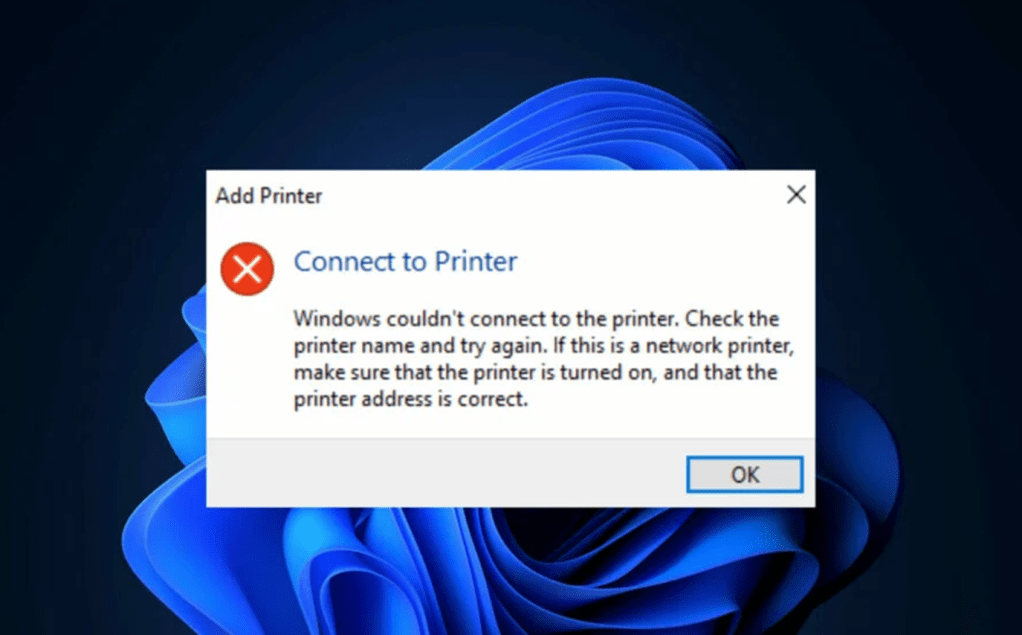
Printers are an essential tool within office environments, but like any other electronic device, they can occasionally run into issues that disrupt productivity. This can be frustrating, but it’s often fixable with only a few straightforward troubleshooting steps. In this article, we’ll walk through the process of identifying and resolving these issues so you can…
-
IPv4 Vs. IPv6: Understanding The Differences
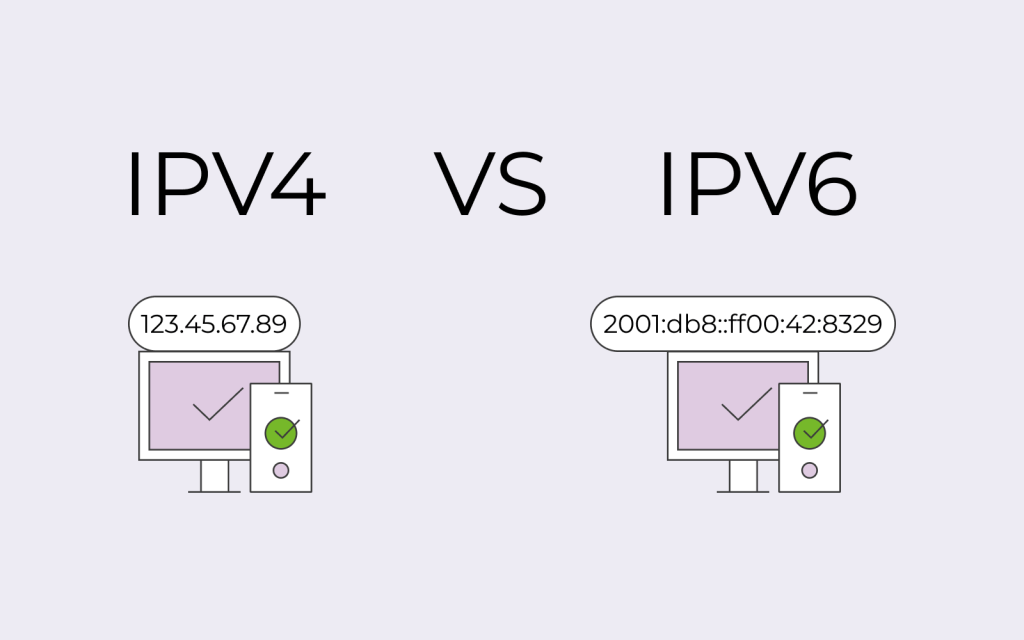
As we continue to move into an increasingly digital world, understanding the difference between IPv4 and IPv6 is becoming more crucial than ever. These two layer 3 protocols are responsible for assigning unique IP addresses to devices on the internet, ensuring that data is routed to the correct destination. But as the number of devices…
-
Subscribe
Subscribed
Already have a WordPress.com account? Log in now.
 Ctrl+Alt+Route