Back while I was still working in logistics — stacking things on top of each other, and dodging forklifts — the idea of people networking had never really crossed my mind. To be fair, there aren’t nearly as many meetups or events in the distribution industry as there are in IT. (Although to give credit where it’s due, Europe does have those wild forklift competitions like the StaplerCup, which is basically the Olympics for warehouse drivers — but that’s beside the point.)
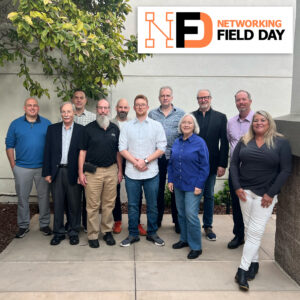
Fast forward to this past week, when I attended Networking Field Day 39 on November 5th and 6th. After two days of presentations, technical deep dives, and discussions with my fellow delegates, I was reminded of just how important people networking really is.
Why We Overlook Networking (and Why We Shouldn’t)
It sounds obvious — of course people networking is important — yet it’s one of those things that many of us, especially those new to IT, tend to overlook.
The good news? You don’t need to take out a second mortgage to fly out to [Insert Major Tech Conference Here] just to start connecting with people in the industry. There are far simpler, more meaningful ways to get started. And no, I’m not talking about cold messaging random people on LinkedIn — don’t do that, that’s bad.
Finding Communities That Fit
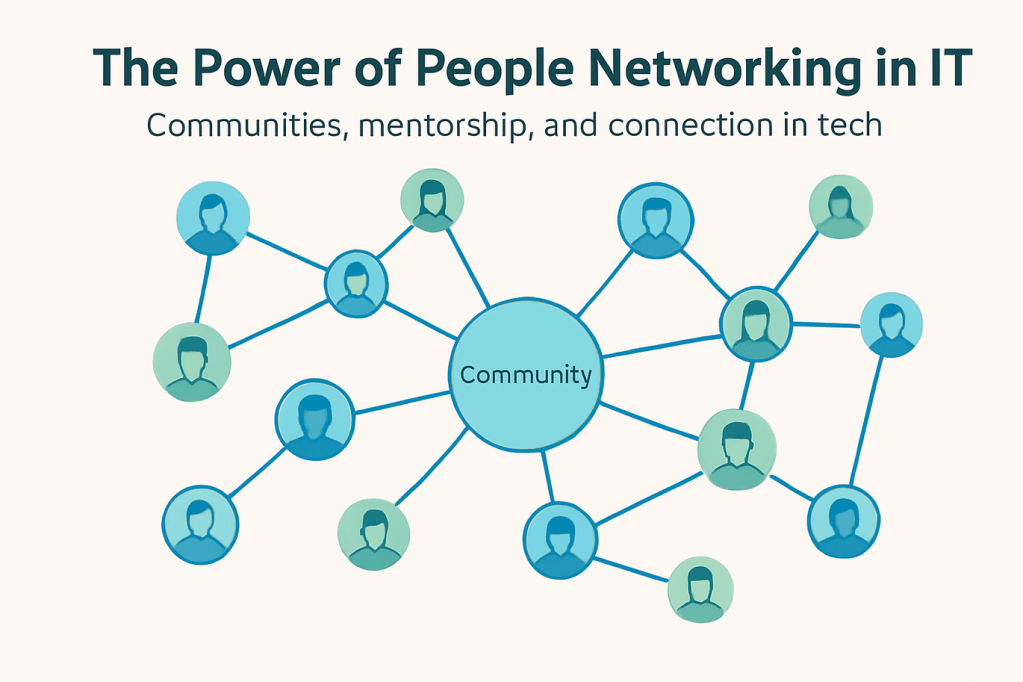
One of the best things about IT is that there’s a community for practically everything. Whether you’re into network automation, Linux, cybersecurity, or homelabs, there’s a group out there waiting for you.
You can start small with local meetups like Network User Groups or Linux Meetups. But if your local area is a bit barren, there are plenty of online spaces to jump into — Discord servers, Slack workspaces, or even the occasional Reddit thread filled with your daily dose Windows propaganda (you know the ones).
But before diving into every community you find, it’s worth asking: Why join one in the first place?
Why Joining a Community Matters
When I first started exploring IT — before even landing my first role — I joined a few online communities. I wanted to learn and since I was trying to break into IT, I wanted some mentoring or guidance.
When you’re starting out in IT, the sheer amount of information online can be overwhelming. Everywhere you look, someone’s telling you to get this certification, take that course, or build this project. Having a community where you can ask, “What would you recommend I study?” or “What should I build in my homelab to prepare for interviews?” is invaluable.
That’s the beauty of community — real humans with real experience who can help you cut through the noise. But remember: people aren’t vending machines. You can’t just show up, take what you need, and disappear. Networking works best when it’s mutual — when you give as much as you receive.
Mentorship, Support, and Growth
Getting early mentorship was one of the biggest catalysts in my career. I had people encourage me to build a homelab, start writing a blog, and keep sharing what I learn (which eventually became CtrlAltRoute).
Through those connections, I’ve had the chance to talk with people like Ethan Banks from Packet Pushers, and meet an amazing lineup of delegates and professionals at NFD39.
Looking back, I genuinely don’t think I’d be where I am today without the guidance, support, and encouragement I received from the IT community. It’s been that impactful.
Giving Back: The Other Side of Networking
Networking isn’t just about getting advice or job leads — it’s also about helping others. Maybe it’s offering feedback on someone’s resume, answering a technical question, or letting someone know your company is hiring.
Sometimes the best thing you can do for someone isn’t technical at all — it’s encouragement, perspective, or a bit of reassurance that they’re on the right path.
At its core, networking isn’t just about swapping business cards or LinkedIn connections — it’s about building genuine relationships. It’s about learning, teaching, and growing together as part of something bigger than yourself.
Key Takeaway
Attending Networking Field Day 39 reminded me that the “network” in IT isn’t just made of cables and routers — it’s made of people.
Whether you’re just starting out or have been in the industry for years, take time to connect with others. Ask questions. Offer help. Share your story.
Because at the end of the day, the strongest networks — the ones that truly last — are built on people.
Disclosure: I occasionally attend events like Tech Field Day. While that might include some small perks such as travel assistance or swag from vendors, what I write and think is always 100% my own.
 Ctrl+Alt+Route
Leave a comment